NATO’s Largest-Ever Experiment on New Defence Technologies Underway in Latvia
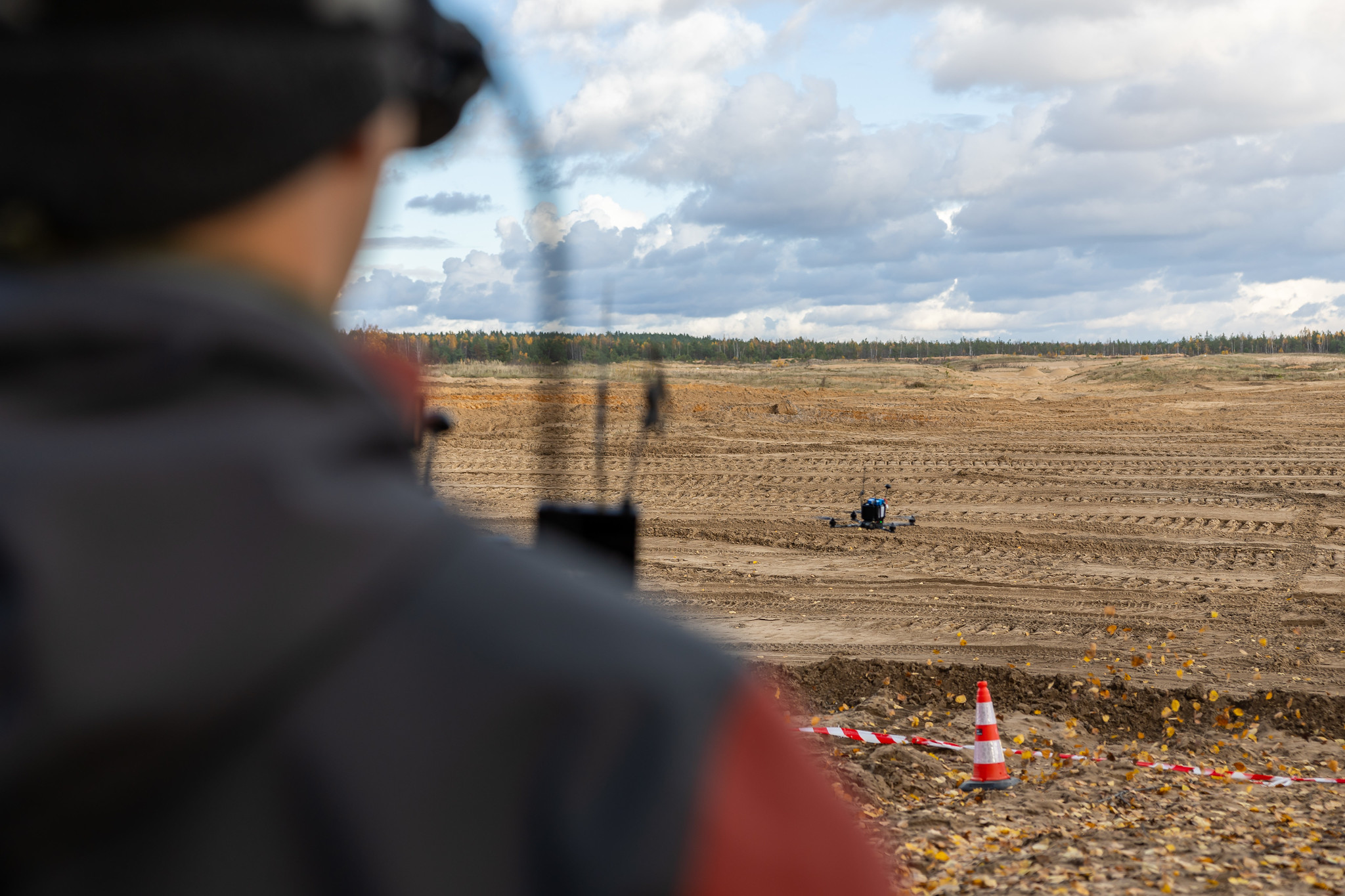
A series of NATO experiments and trials of new defence technologies began in Latvia this week. Activities are taking place simultaneously along three lines of effort: experiments and technology trials involving next-generation communications solutions under the Digital Backbone Experiment (DiBaX 2026); the development of counter-drone capabilities, including sensor and effector testing under the Layered Counter UAS Initiative (LCI-X); and trials to develop deep-strike capabilities under Next Generation Targeting (NGT).
The experiment is taking place at both Ādaži Military Base, which has hosted it since 2022, and Sēlija Military Base. This year, nearly three times as many partners are participating as in previous years, significantly expanding the operational and technological scope.
The aim of DiBaX 2026 is to test digital infrastructure in conjunction with various defence technologies to ensure their effective and coordinated operation in NATO operations. This year, the programme has been expanded to focus on the integration of sensors and effectors, with particular emphasis on the sensor capabilities required to detect, identify and respond to emerging threats. Together, these elements will enable experiments across the entire modern defence capability chain — from threat detection to faster, better-informed decision-making and an effective defensive response.
Activities in 2026 include experimental field trials, network infrastructure testing and integrated scenarios involving sensors, communications and unmanned systems, decision-support tools, and counter-unmanned aircraft capabilities.
Nearly 100 defence industry companies from more than 20 countries are participating in the experiment alongside representatives of the armed forces of allied nations.
“The DiBaX experiment being held in Latvia for the fifth consecutive year demonstrates our ability to host and provide an environment for testing and developing the latest defence technologies under a variety of conditions. This experience enables us not only to test innovative digital solutions in an environment that closely resembles realistic operational conditions, but also to strengthen cooperation with NATO Allies and promote technological interoperability,” emphasises Minister of Defence Raivis Melnis.
This year, LMT Defence is once again the lead technology integrator and one of the organisers of the digital experiment, providing critical infrastructure, technical expertise and other forms of support for the experiment.
DiBaX 2026 is led by NATO Allied Command Transformation (ACT), in cooperation with Latvia’s Ministry of Defence, the National Armed Forces and LMT Defence.
The experiment will conclude at the end of October with the NATO FUSE event, which aims to practically test and further develop new technological solutions, bringing together military representatives and the defence industry to accelerate their integration into NATO capability development and ensure interoperability among Allies.
Information for Media Representatives
Media representatives are invited to register to attend the NATO FUSE event on 30 October at Ādaži Military Base.
To cover the event, media representatives must register in advance by 13:00 on 23 October by completing the registration form: https://bit.ly/4B67vv0, and emailing prese@mod.gov.lv with the name of the media organisation they represent, their first and last name, and personal identity number.
Further information about the event will be sent to accredited media representatives.
Information prepared by:
MoD Military Public Affairs Department
Media Relations Section
Phone: 67335067
E-mail: prese@mod.gov.lv